Why teeth hurt with cold, hot or sweet foods, what you can do at home, which treatments dentists use for sensitive teeth and when sensitivity is a sign of something more serious.
That sharp jolt when ice cream, hot tea or even cold air touches a tooth is called dentine hypersensitivity, and it affects roughly one in three adults. In most cases it can be controlled with simple changes and treatment, but sometimes it signals a problem that needs a dentist.
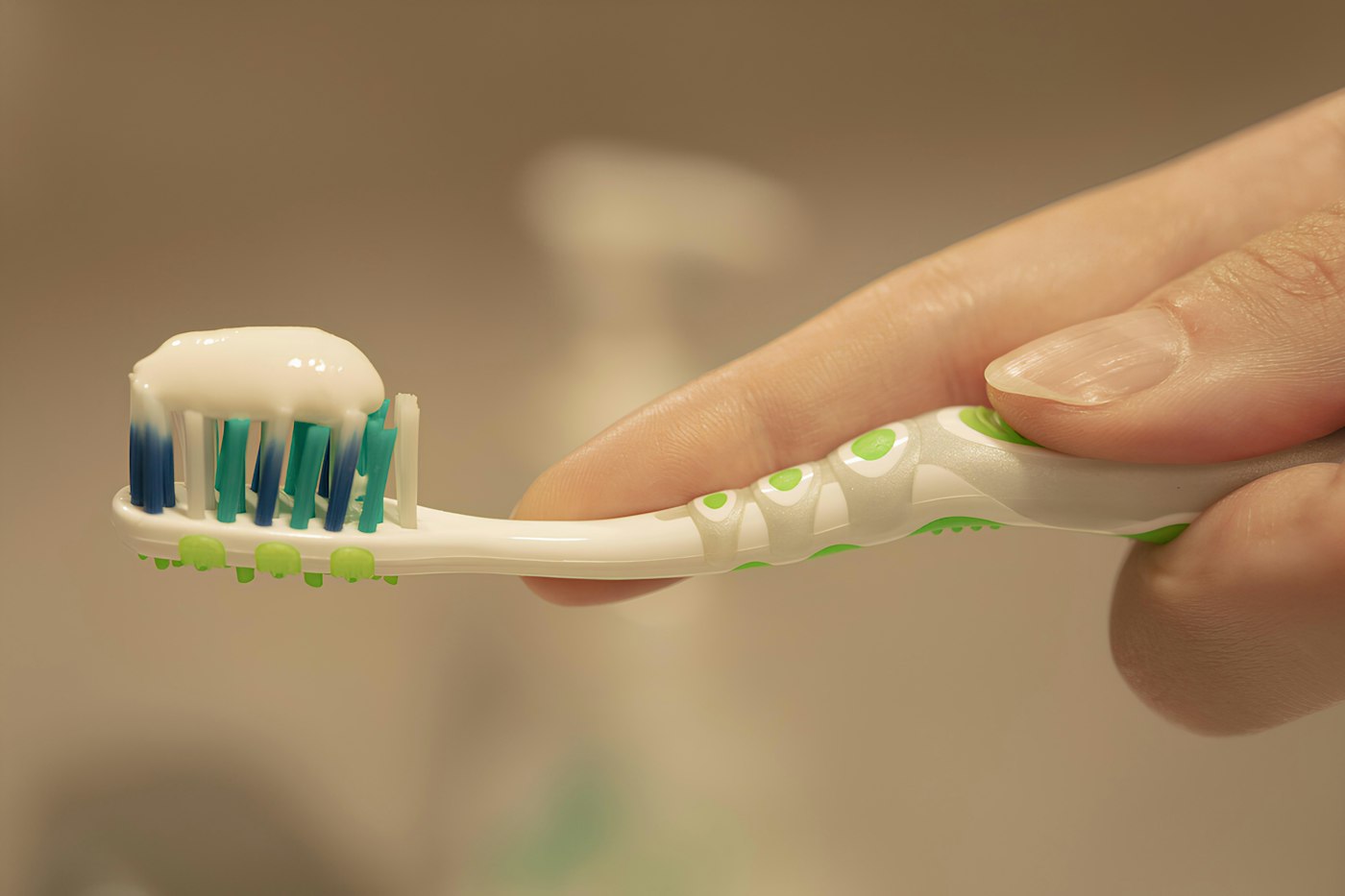 A desensitising toothpaste used twice daily for a few weeks relieves most mild sensitivity.
Why teeth become sensitive
Enamel protects the crown of the tooth and gum protects the root. Underneath both lies dentine, which contains thousands of tiny tubules leading to the nerve. When dentine is exposed, hot, cold, sweet or acidic stimuli travel through these tubules and trigger pain. Common causes of exposure include:
- Gum recession from gum disease or aggressive brushing, uncovering root surfaces.
- Enamel erosion from acidic foods and drinks (citrus, cola, wine, vinegar), frequent vomiting or acid reflux.
- Tooth wear from grinding (bruxism) or a hard-bristled brush.
- Tooth decay or a leaking, worn filling.
- A cracked tooth, which typically hurts on biting.
- Recent dental work such as whitening, cleaning or a new filling: usually temporary.
What you can do at home
- Switch to a desensitising toothpaste containing potassium nitrate, stannous fluoride or arginine. Use it twice daily for at least two to four weeks; the effect builds up.
- Brush gently with a soft brush, holding it like a pen, in small circular movements. Scrubbing hard wears enamel and gums.
- Cut down on acids. Drink acidic drinks through a straw, rinse with water afterwards and wait 30 minutes before brushing.
- Use a fluoride mouthwash at a different time from brushing.
- Wear a night guard if you grind your teeth.
Treatments at the dental clinic
- Fluoride varnish or desensitising gel applied to the sensitive areas, repeated every few months.
- Bonding or fillings to cover exposed root surfaces or worn notches at the gum line.
- Gum grafting for significant recession.
- Treatment of the underlying cause: a filling for decay, a crown for a cracked tooth, periodontal treatment for gum disease.
- Root canal treatment in the rare cases where sensitivity is severe and persistent and the nerve is inflamed.
When to see a dentist
Book an appointment if sensitivity lasts more than two or three weeks despite using a desensitising toothpaste, if one tooth is much worse than the others, if pain lingers for more than a few seconds after the trigger, or if there is pain on biting, swelling or a visible hole. These can be signs of decay, a crack or an infected nerve that need prompt treatment.
Preventing sensitivity
- Brush twice a day with fluoride toothpaste and a soft brush; do not brush straight after acidic food.
- Floss daily to keep gums healthy and prevent recession.
- Limit snacking on sweets and sipping acidic drinks through the day.
- Have a professional cleaning and check-up every six months.
Persistent sensitivity is worth a check-up. Find a dentist near you on Dentavya and request an appointment online.