Bleeding gums are the first sign of gum disease, not something to ignore. Learn what causes gums to bleed, how gingivitis progresses to periodontitis, how it is treated and how to stop it at home.
If your gums bleed when you brush or floss, they are telling you something. Healthy gums do not bleed. In most cases the cause is early gum disease, which is completely reversible when caught early, and progressively harder to treat when ignored.
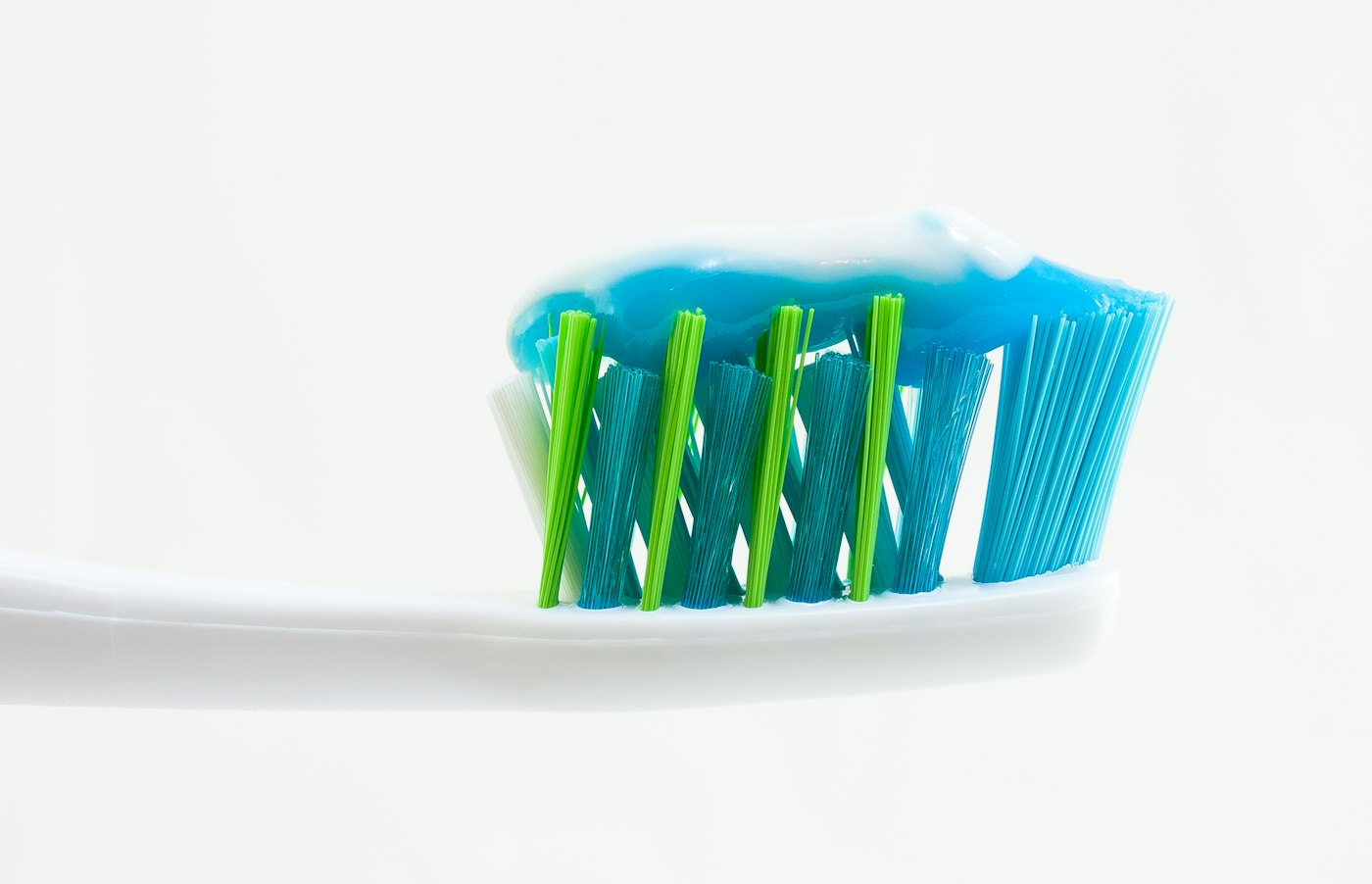 Brush along the gum line with a soft brush and clean between the teeth every day.
What causes bleeding gums?
- Plaque and gingivitis. Plaque is the sticky film of bacteria that forms on teeth every day. When it is not removed along the gum line, the gums become inflamed, red, swollen and bleed easily. This is gingivitis, the earliest stage of gum disease.
- Tartar (calculus). Plaque that stays for a few days hardens into tartar, which cannot be brushed off and keeps irritating the gums.
- Periodontitis. Untreated gingivitis can spread below the gum line, destroying the bone that holds teeth. Gums recede, teeth loosen and eventually may be lost. Periodontitis is the leading cause of tooth loss in adults.
- Brushing or flossing too hard, or starting to floss after a long gap.
- Hormonal changes during pregnancy, puberty or menopause make gums more reactive to plaque.
- Medicines such as blood thinners, and some blood pressure and epilepsy drugs.
- Medical conditions including diabetes, vitamin C or K deficiency and, rarely, blood disorders.
- Smoking, which worsens gum disease and masks bleeding, so the problem is noticed late.
Gingivitis vs periodontitis
| Gingivitis | Periodontitis |
|---|
| What is affected | Gum tissue only | Gum, ligament and bone |
| Signs | Red, swollen gums that bleed | Bleeding, receding gums, bad breath, loose teeth, gaps appearing, pus |
| Reversible? | Yes, fully | Damage is permanent, but progression can be stopped |
| Treatment | Professional cleaning and better home care | Deep cleaning (scaling and root planing), sometimes gum surgery |
How to stop gums bleeding at home
- Brush twice daily for two minutes with a soft brush, angling the bristles towards the gum line.
- Clean between teeth every day with floss or interdental brushes. Bleeding usually reduces within one to two weeks of consistent cleaning; keep going.
- Use an antibacterial mouthwash for a short period if your dentist recommends it.
- Stop smoking.
- Eat a balanced diet with enough vitamin C, and keep diabetes well controlled.
Treatment at the clinic
A professional scaling and polishing removes plaque and tartar above and just below the gum line and resolves gingivitis. For periodontitis, the dentist or periodontist performs deep cleaning (scaling and root planing) under local anaesthesia, may prescribe antibiotics, and in advanced cases carries out flap surgery or bone grafting. Regular maintenance visits every three to six months then keep the disease under control.
When to see a dentist
Do not wait if bleeding continues for more than two weeks despite good brushing and flossing, if gums are receding or teeth feel loose, if you notice persistent bad breath or pus, or if you have diabetes or are pregnant. Gum disease is also linked to heart disease, diabetes control and pregnancy complications, so treating it protects more than your teeth.
Book a gum check-up with a dentist near you on Dentavya.