How to brush, floss and rinse correctly, which toothpaste and brush to choose, the habits that quietly damage teeth, and how often to see a dentist. A simple routine that prevents most dental problems.
Most dental problems, from cavities and gum disease to bad breath and sensitivity, are preventable with a few minutes of care every day. This routine is what dentists recommend to their own families.
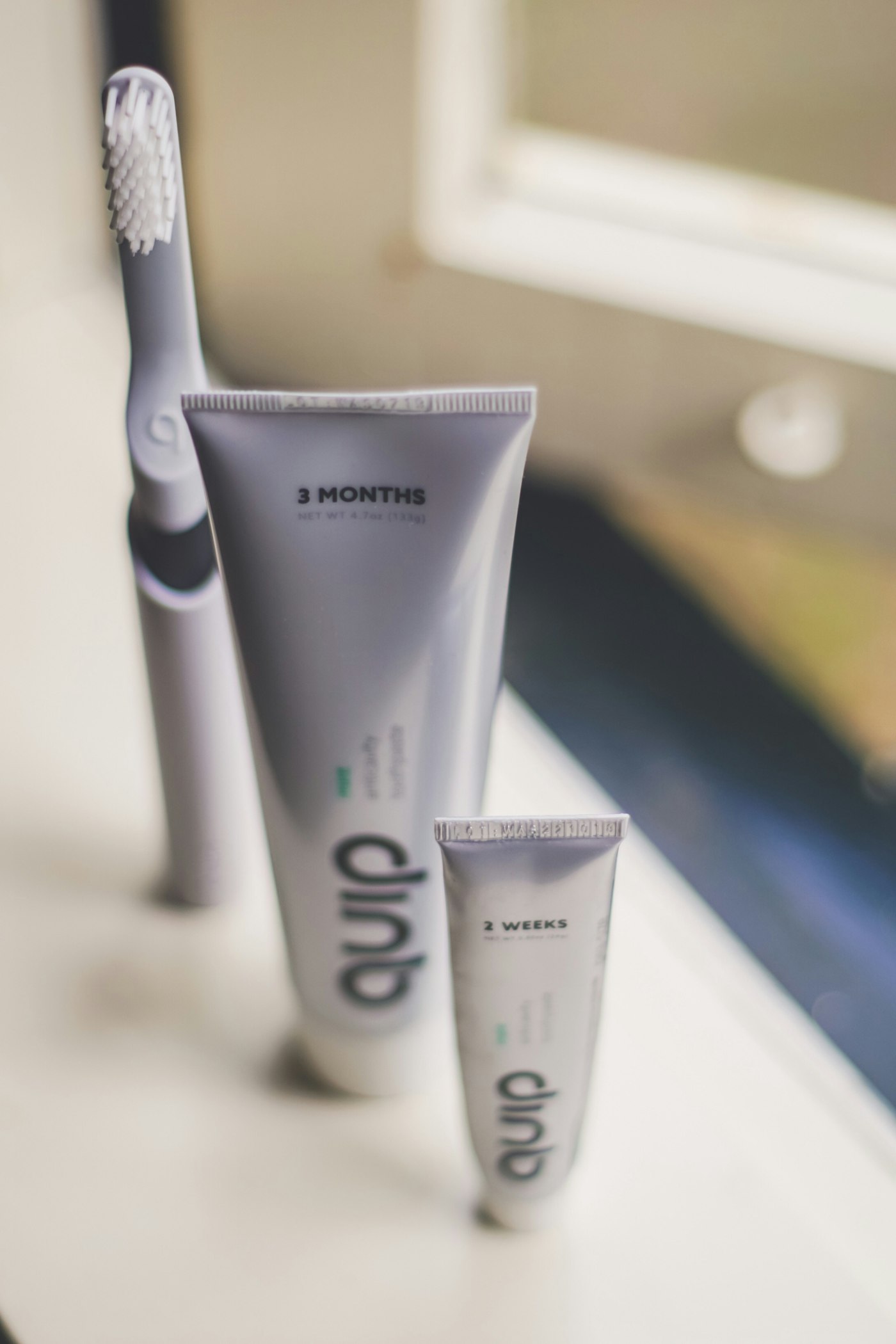 Use a fluoride toothpaste, spit after brushing and do not rinse, so the fluoride keeps working.
Morning and night: brush for two minutes
- Use a soft-bristled brush with a small head that reaches the back teeth. Electric brushes with a pressure sensor remove plaque a little better and stop you scrubbing too hard.
- Use a fluoride toothpaste (1,000-1,500 ppm fluoride for adults). Fluoride strengthens enamel and reverses early decay. Whitening, herbal or charcoal pastes are fine only if they contain fluoride and are not abrasive.
- Angle the bristles at 45 degrees to the gum line and use small circular or short back-and-forth strokes, two or three teeth at a time. Cover the outer, inner and chewing surfaces.
- Spit, do not rinse. Rinsing with water washes away the fluoride; leave the toothpaste film on your teeth.
- Replace your brush every three months or when the bristles splay.
- Wait 30 minutes after acidic food or drink before brushing, as softened enamel wears easily.
Once a day: clean between your teeth
A brush cleans only three of the five surfaces of each tooth. Floss or interdental brushes clean the two surfaces between teeth where most cavities and gum disease begin. Interdental brushes are easier for many people and better for wider gaps; floss suits tight contacts. Water flossers help around braces, bridges and implants. Bleeding in the first week is normal and stops as gums become healthier.
Clean your tongue
Scrape the tongue from back to front each morning. It removes the bacterial coating that causes most bad breath.
Mouthwash: optional, used wisely
Mouthwash does not replace brushing or flossing. A fluoride mouthwash used at a different time from brushing (for example after lunch) adds protection for people prone to decay. Antibacterial rinses help during gum treatment. Avoid alcohol-based rinses if you have a dry mouth.
Eat and drink with your teeth in mind
- Limit sugary and acidic foods and drinks to mealtimes; it is frequency, not quantity, that damages teeth.
- Drink water through the day, and after sweet or acidic foods.
- Finish meals with cheese, nuts or plain water rather than sweets.
- Chew sugar-free gum after meals if you cannot brush.
Our article on diet and dental health goes into detail.
Habits to break
- Using teeth to open packets or bite nails
- Chewing ice or very hard sweets
- Smoking and tobacco or betel chewing: the leading causes of gum disease and oral cancer
- Sipping tea with sugar or cold drinks slowly over hours
- Ignoring night-time grinding: ask about a night guard
See your dentist twice a year
A check-up and professional cleaning every six months removes tartar you cannot brush off, catches cavities while they are small and cheap to fix, screens for gum disease and oral cancer, and keeps your breath fresh. People with gum disease, diabetes or many fillings may need visits every three or four months.
A routine you can keep
Morning: brush, scrape tongue. After lunch: water or sugar-free gum. Night: floss, then brush, spit and do not rinse. Every six months: dentist. That is all it takes to keep your teeth for life.
Find a dentist near you on Dentavya and book your next check-up.