What happens during professional teeth cleaning, how scaling and polishing differ from deep cleaning, whether it damages enamel, how often you need it and what it costs at Indian clinics.
Professional teeth cleaning is the single most valuable dental service for preventing problems. It removes what brushing cannot, keeps gums healthy and gives the dentist a chance to catch small issues before they become expensive ones.
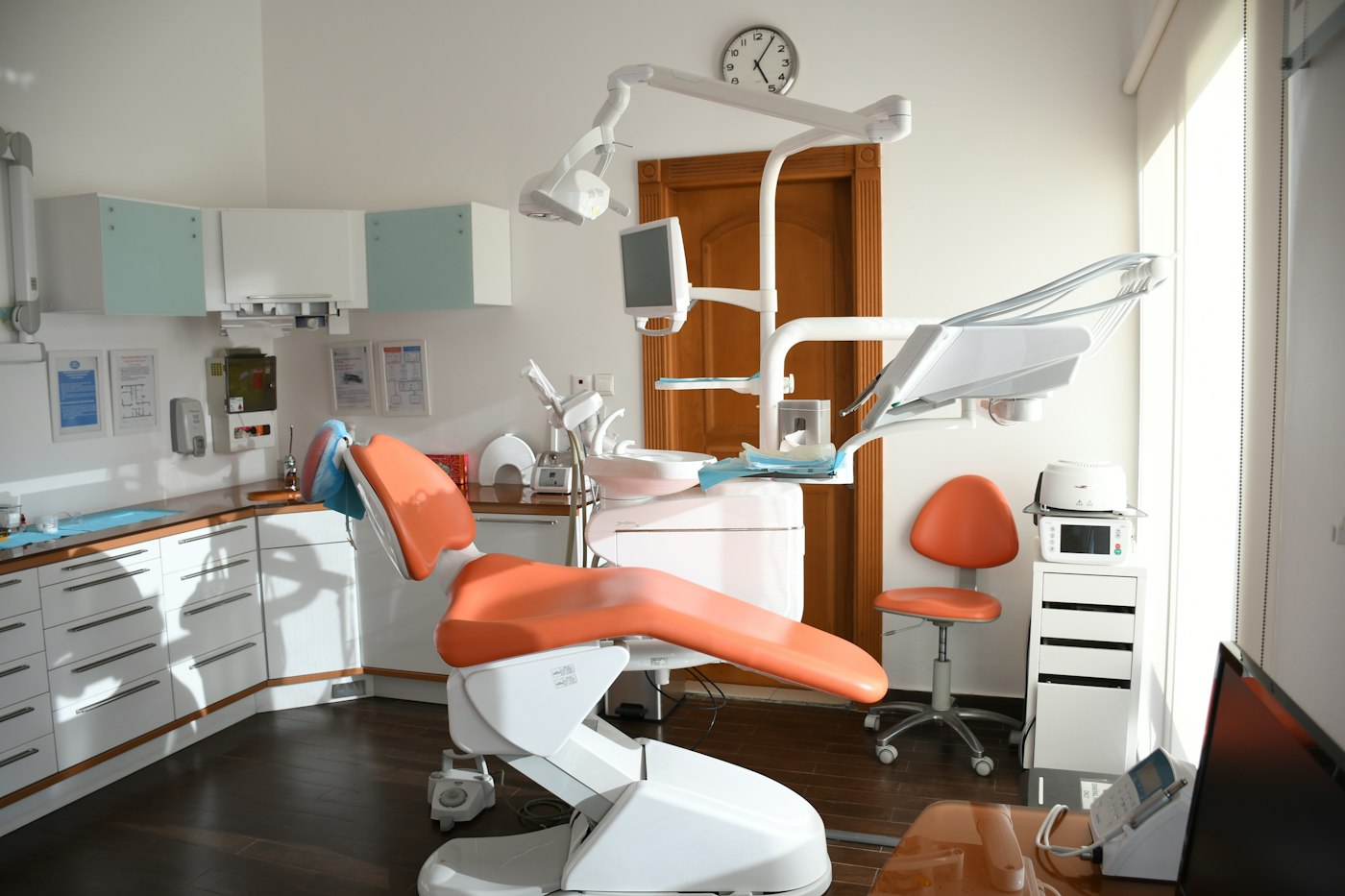 A routine scaling and polishing takes 30 to 45 minutes and needs no anaesthesia.
Why brushing is not enough
Even with perfect brushing and flossing, some plaque remains in hard-to-reach areas. Within a few days it hardens into tartar (calculus), a rough deposit that bonds to the tooth and can only be removed with professional instruments. Tartar harbours bacteria that inflame the gums, cause bleeding and bad breath and, over time, destroy the bone around the teeth.
What happens during a cleaning
- Examination. The dentist checks teeth, gums and soft tissues and may take X-rays if due.
- Scaling. An ultrasonic scaler vibrates tartar off the teeth above and just below the gum line while a water spray washes it away. Fine hand instruments finish the job.
- Polishing. A rotating rubber cup with a mildly abrasive paste, or an air-polishing jet, removes surface stains and leaves teeth smooth, so plaque sticks less.
- Fluoride application (optional) to strengthen enamel and reduce sensitivity.
- Advice on brushing technique, interdental cleaning and any problem areas.
A routine cleaning takes 30-45 minutes and needs no anaesthesia. You can eat normally afterwards.
Does scaling damage teeth or loosen them?
No. This is the most common myth about cleaning in India. Scaling removes only tartar and stains, not enamel. Teeth may feel slightly sensitive or seem to have small gaps afterwards because the tartar that filled those spaces is gone, and gums that were swollen settle down. If teeth feel loose after scaling, they were already loose because of bone loss hidden under the tartar; the cleaning is what stops it getting worse.
Cleaning vs deep cleaning
A standard scaling and polishing treats healthy gums and gingivitis. When pockets have formed around teeth (periodontitis), the dentist or periodontist performs scaling and root planing: deep cleaning of the root surfaces under local anaesthesia, usually over two to four visits, followed by maintenance cleanings every three to four months.
How often do you need it?
- Most adults: every six months.
- Smokers, diabetics, people with gum disease, braces, implants or heavy tartar build-up: every three to four months.
- Children: every six months from the first birthday, usually with fluoride varnish.
Cost in India
Indicatively, a full-mouth scaling and polishing costs INR 1,000 - 3,500 at most clinics, more in metro cities or with air-polishing and fluoride. Deep cleaning (scaling and root planing) is charged per quadrant or per visit, typically INR 2,000 - 6,000 per sitting. Many clinics on Dentavya publish their cleaning fees on their profile.
Benefits beyond clean teeth
- Prevents and reverses gum disease, the main cause of adult tooth loss
- Removes stains and freshens breath
- Early detection of cavities, cracked fillings and oral cancer
- Better control of diabetes and lower cardiovascular risk linked to gum inflammation
- Far cheaper than treating the problems it prevents
If it has been more than six months, it is time. Book a cleaning with a dentist near you on Dentavya.